


















- Home
- About Us
- Sailing Courses
- Powerboat Courses
- SLC - International License
- Yacht Vacations
- Find an On-Water Instructor
- Practical Courses
- Fighting Childhood Cancer
- Free Courses Signup
- Student Benefits
- Gift a Sailing Course
- Sailing Opportunities
- Sailing Licenses and Certifications
- About the Sailing Certifications
- Sailing Blog & Helpful Articles
- NauticEd Podcast Series
- Yacht Charter Resources
- School Signup
- Instructor Signup
- Affiliate Signup
- Boat Sharing Software
- Sailing Industry Services
- Support & Contact
- Newsroom
- Privacy Policy

Storm Tactics | Online Sailing Course
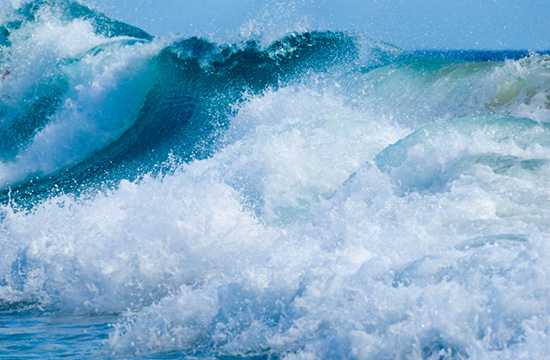

Weather the Storm: Sailing Storm Tactics
Prepare for the worst and sail with confidence through storms with our Storm Tactics online course. Whether you're a seasoned sailor or just starting out, sudden or large storms can pose a serious threat on the water. This comprehensive course equips you with the essential knowledge and skills needed to prepare for, survive, and navigate through storms safely.
Learn how to interpret weather patterns, anticipate storms, and develop effective storm tactics to keep yourself and your crew safe. From understanding radar to safety equipment to handling heavy winds and waves, this course covers everything you need to know to navigate through storms with confidence
Don't let unexpected storms catch you off guard. Enroll now for storm tactics and ensure that you're prepared for anything that nature may throw your way.
Estimated Time: 4 hours
Price: $39 (or $33 with the Captain Offshore Bundle of Courses)
The Storm Tactics online course will give you the essential knowledge necessary to prepare for and survive a storm when sailing. Even when day sailing, a storm can be upon you in minutes, and so it's crucial to be prepared with the necessary knowledge and skills!!
This comprehensive course will teach you how to prepare for storms, how to avoid them, and what to do if caught in excessive wind and waves. From understanding weather patterns and interpreting radar to developing storm tactics and techniques for handling heavy weather, this course will provide you with the knowledge and skills necessary to navigate through storms safely and efficiently.
Whether you are a beginner or an experienced sailor, this course is a must for anyone looking to improve their storm tactics skills and become a knowledgeable and confident sailor when venturing beyond the safety of inland waters. Enroll now and take the first step towards mastering the sailing art of storm tactics!
In this Storm Tactics Sailing Course you will learn:
- How to outrun a storm
- Which direction to run to
- Which side of the storm you should be in if you have to endure one
- How forereaching can save your life, your boat, and your crew
- What is a warp and how to deploy it
- 19 steps to prepare your boat for storms
We guarantee both your satisfaction AND Lifetime access to any sailing course you buy from us
More about this Storm Tactics Online Course
- The Storm Tactics online sailing course provides the essential knowledge necessary to prepare for and survive a storm when sailing
- View an excerpt from the Storm Tactics Course
- Life-essential knowledge for dealing with storms
- This Sailing Course takes approximately 4 hours of total time to complete
- Take as long as you need to complete
- Return as many times as you like to review
- Take the online test as many times as you like
- Adds the Storm Tactics Endorsement to your Sailing Certificate
This is an ONLINE course and tests viewable in your browser window.
Today's Investment: $39 (Or $33 with the Captain Rank bundle of sailing courses)
Not convinced yet that online sailing courses are cool? Visit our fully interactive and completely free Basic Sail Trim Sailing Course. You'll see why online e-learning is SO MUCH BETTER than a boring old Book.
When you're out there on the water and armed with significant Storm Tactics information, there won't be any question if you should have taken this $39 Storm Tactics Clinic. With about 4 hours of prudent study, you'll learn the crucial information to save yourself, your crew, and your vessel. Battening down the hatches even on a day sailing venture is NOT the time to be wishing you'd taken the time to be a SAFE and smart sailor. That time is now!
Register for Captain Ed Mapes NauticEd Storm Tactics Course now! Captain Mapes has tens of thousands of miles sailing the globe. He's been through the storms, he's outrun them, and he's surfed the giant waves in his sturdy sailboat "Voyager", he knows what to do and has given you here the best chance you'll have to save your life when you need it most. NauticEd stands by its money-back guarantee with this and all learn to sail courses. If you don't think you gained life-saving information out of the Storm Tactics Course, we'll simply refund your $39 investment.
Snap question! What's the best way to deal with a storm? Best Answer - DON'T. This Storm Tactics Course will first teach you how to get away from a storm. Understanding which direction to head when a storm is approaching is your best tactic. One direction will put you, your boat, and your crew in harm's way. The other will give you significantly reduced winds and lead to safety. But which way is the best direction in the northern hemisphere and which way is best in the southern hemisphere? That's called Storm Avoidance! It's called being a prudent captain!
Dealing with heavy weather is much more pleasant if you've properly prepared. We have listed 19 things you should do BEFORE you encounter the storm. These are things that you can do now to properly prepare your vessel.
So you are caught in heavy weather and waves are washing over the deck. What's next? How should you steer the giant waves? Should you run with the waves, or reach into them? How do you rig the trysail? What is forereaching?
How do you deploy the sea anchor? What are the dangers of a sea anchor?
Attention - this is life or death information. Having this knowledge after a storm is too late. Learn it now, practice it when you're out, and run the scenarios so it becomes second nature. Learn storm and sailing techniques now so you can live to sail another day!
Take the Storm Tactics Sailing Course now then experience one of Captain Ed Mapes Voyager Ocean Passages for real!
If you still have questions about NauticEd, the courses, and/or the sailing certifications, contact us via email or phone we're happy to help. Otherwise, register for the Storm Tactics Course now!

By Ed Mapes
USCG Captain Master Mariner
View Storm Tactics Course excerpt
Student Reviews
Michael D.
2026, 19 Sep. 01:12
Very good information about the safe and dangerous sides of systems and the various tactics that can be employed.
David S.
2026, 13 Sep. 20:42
Great storm tactics to remember
Kim D.
2026, 13 Sep. 04:52
Valuable tools
Damien D.
2026, 07 Sep. 17:38
Lots of good explanations
Kyriakos P.
2026, 20 Aug. 09:36
Amazing course with explanations on what you should do in case of the bad weather, and much more that could go wrong
John R.
2026, 15 Jul. 19:33
Generally good but the descriptions and animations were not as good as most NauticEd offerings.
NoName
2026, 29 May. 23:26
I liked the clear explanations and the visual aids are great
Anthony H.
2026, 13 May. 19:53
good to know
Bern E.
2026, 21 Apr. 07:02
This is a nice informative course on storm tactics.
Terry R.
2026, 07 Apr. 03:35
The feeling that I am better prepared.
William Y.
2026, 05 Mar. 20:28
use of sea anchor
Christopher C.
2026, 20 Jan. 21:38
Great challenging course
List Price: $39.00
Excerpt from the course
Expand Excerpt from the courseFigure 10 illustrates the technique of steering while sailing in large waves upwind. The discussion below discusses this technique, but it also applies to downwind courses. The key is to sail the back of waves at the correct angle to avoid excess speed and yet ensure that the boat can’t fall off the wave onto its beam.
Fore-reaching (driving the waves to windward)
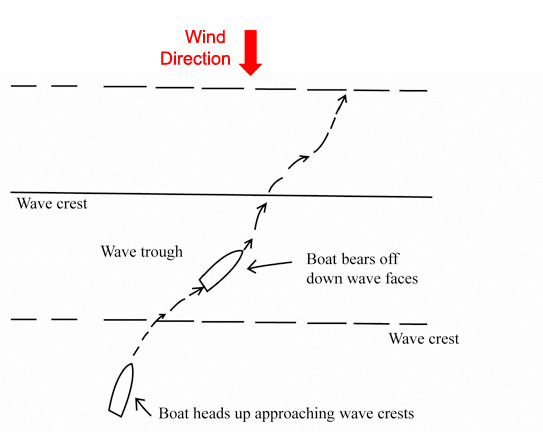
Figure 10: Forereaching
Courtesy of Further Offshore ©
Forereaching is my preferred heavy weather tactic in severe situations This active guidance of the vessel upwind allows the boat to face the elements as it was designed to. Sailboats are constructed to head forward through the water, so coping with excess wind and waves from the bow is ideal in heavy weather conditions. Forereaching keeps the bow facing the elements and is easier on the steering mechanism than scudding downwind.
The technique, as seen in Figure 10, is to head the bow up, or higher into the wind, as the boat ascends to a wave crest, and then to bear off and control the descent down the back of the wave. The sails are feathered into the wind as the boat nears a wave crest, where wind velocities are highest. The speed must be controlled as the boat traverses the back side of the wave into the trough, where we risk plowing the bow into the next wave. Care must also be taken not to bear off too much, however, because the boat can fall off onto her beam. This up-and-down steering may sound complicated, but it’s a matter of getting a feel for the helm and the boat. After a short while, most helmspersons feel very comfortable. It’s wise to gain such confidence because driving at night depends more on feel than it does on sight.
It is very important to understand that the technique for steering in Figure 10 applies either upwind or downwind. Feathering the windward when approaching a wave crest is unnecessary when sailing downwind since the wind is from behind the boat. The important point is to sail at the proper angle down the wave crest.
Forereaching can be done with sails or the engine. If the engine is used, keep at least a deeply reefed main or trysail up to lend lateral stability and motion control. In most boats I’ve sailed, it’s possible to balance the sail plan (discussed in the Sail Trim Clinic) so that the boat actually steers itself on a close reach, which this is. Another advantage of this technique is that the storm conditions pass sooner than when running along with the storm, thus decreasing exposure of the boat and crew.
Other sailing courses that you might enjoy
Trusted by the world's leading sailing companies
From our students
4.9 out of 5 average across 75,311 student course ratings.
-
"I liked that there wasn’t pressure to rush. I could actually understand what I knew and what I still needed to work on."
Jamie, first-time boater
-
"By the time we chartered, I felt prepared instead of just approved. That made all the difference."
Alex, preparing for bareboat charter
-
"NauticEd helped me see boating as a skill I could build, not something I had to pass or fail."
Morgan, new boat owner